
ITECH’s electrical measurement instruments support development, testing, and validation tasks with precise measurement technology for a wide range of applications. The product portfolio includes both power analyzers for analyzing electrical power parameters and source-measure units (SMUs), which can generate voltages and currents while simultaneously measuring them with high precision. While power meters analyze complex electrical systems for efficiency, power consumption, and power quality, SMUs enable the precise characterization of electronic components through the combination of current or voltage sources and high-resolution measurement technology. This ensures that the appropriate measurement principle is available for a wide variety of test tasks.
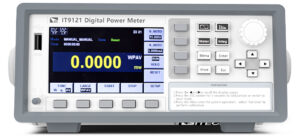
Modern development and testing processes place high demands on electrical measurement technology. Depending on the test task, different measurement methods are required to achieve meaningful and reproducible results.
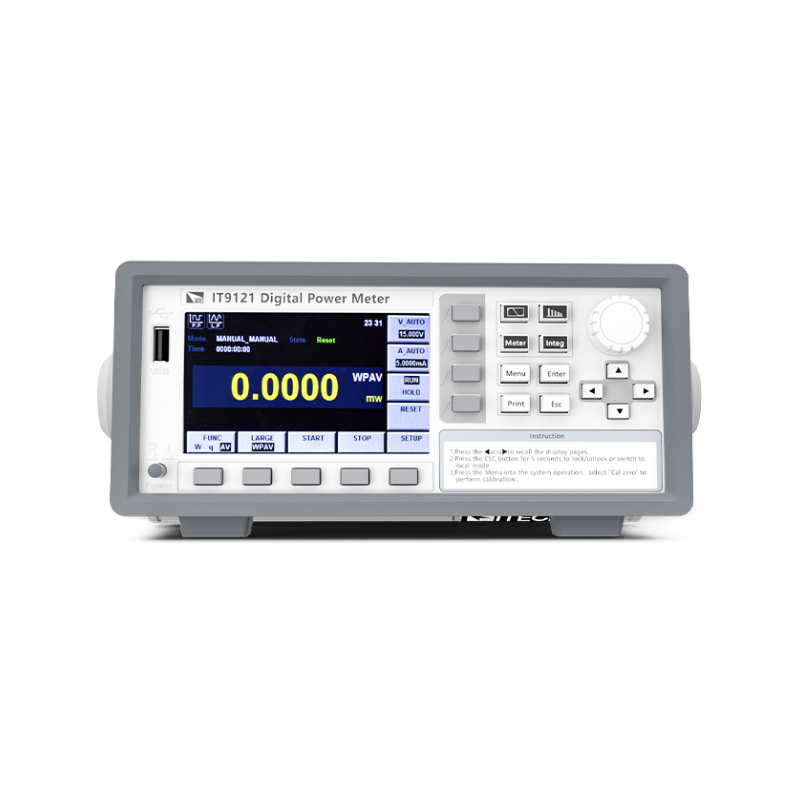
Power meters are used to precisely measure electrical quantities such as voltage, current, active power, reactive power, apparent power, power factor, and harmonics. They support the analysis of entire electrical systems and are used, for example, in power supplies, inverters, motor drives, and energy-efficient devices.
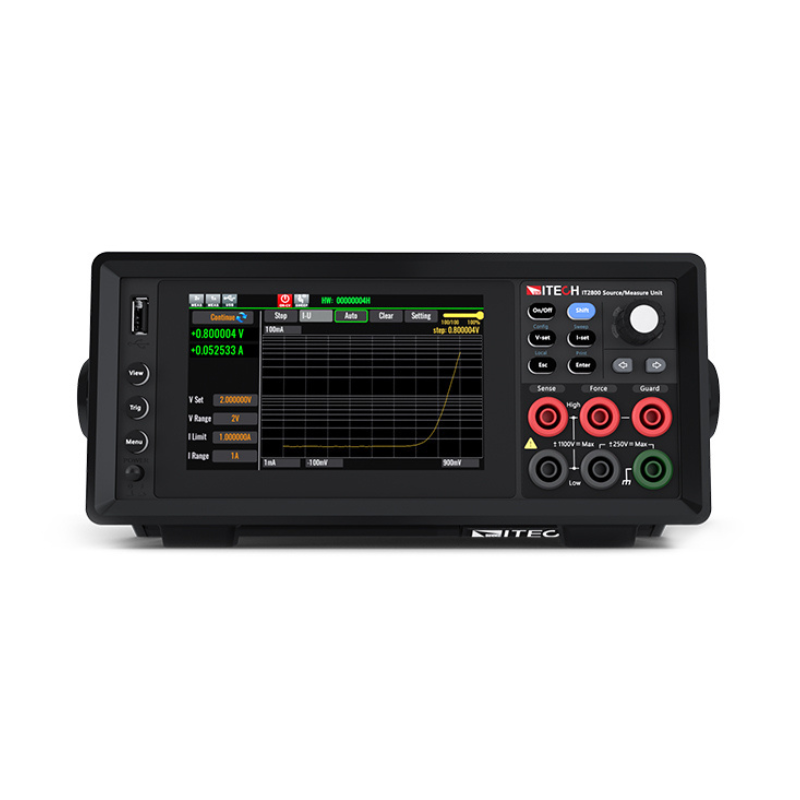
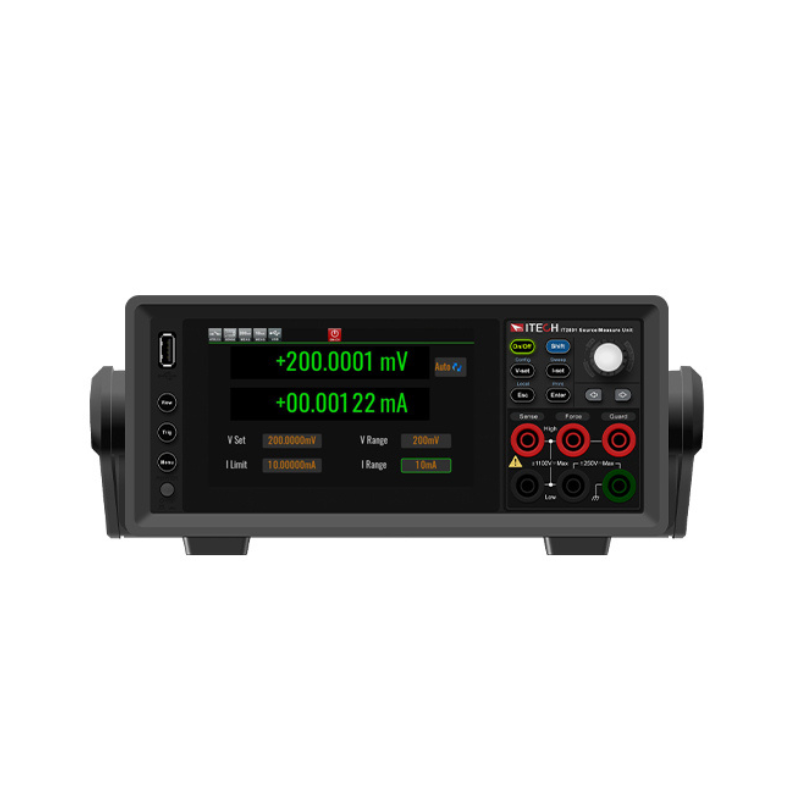
Source Measure Units (SMUs), on the other hand, combine a programmable voltage or current source with high-precision measurement technology in a single device. This allows for the targeted characterization of electronic components such as semiconductors, sensors, LEDs, or battery cells, as well as the recording of characteristic curves and the measurement of leakage currents.
Thanks to these different measurement principles, electrical measuring instruments cover a wide range of development, validation, and production tasks.
Accurate and traceable measurement data form the basis for the development, validation, and quality assurance of electronic systems. High-resolution measurement technology supports reproducible test procedures, standard-compliant measurements, and reliable evaluation of technical changes. This allows for consistent comparison of measurement results and efficient validation of development processes.
In research, development, and quality assurance, high repeatability is crucial for consistently reproducing measurement results across multiple test cycles. It enables meaningful comparative measurements, supports the validation of prototypes, and increases process reliability in automated test sequences. As a result, even the smallest changes to the test specimen can be reliably detected and evaluated.
Modern development and production environments require the easy integration of measurement technology into existing test benches. Standardized communication interfaces support automated measurement sequences and enable efficient data acquisition and reproducible test processes.
Electrical measuring instruments are used throughout the entire product life cycle—from research and development through validation and quality assurance to production testing. This allows measurement results to be consistently evaluated and documented across all development phases.
Different types of instruments are suitable depending on the test object and measurement objective . While power analyzers analyze the electrical power parameters of entire systems,source-measure units enable the precise characterization of individual electronic components.
Power meters measure electrical quantities such as voltage, current, active, reactive, and apparent power, as well as power factor and harmonics. They are used wherever energy consumption, efficiency, or the electrical performance of entire systems needs to be evaluated.
Typical applications include:
By providing a comprehensive analysis of electrical performance parameters, power meters support the development of energy-efficient products, fault diagnosis, and compliance with regulatory requirements.
Source-measure units combine a programmable voltage or current source with high-resolution measurement technology. This allows electrical parameters to be precisely set and measured simultaneously. This combination is particularly well-suited for characterizing electronic components and materials.
Typical applications include:
By combining source and measurement functions, SMUs enable reproducible measurements of even the smallest currents and voltages and support demanding development and validation tasks.
The first decision concerns the measurement task. If the goal is to analyze only the electrical power of a system, a power meter is suitable. If voltage or current must be precisely generated and measured simultaneously, a source-measure unit (SMU) is the appropriate choice. The chosen measurement principle should always be based on the application and the test objective.
The required measurement ranges depend on the specific application. In addition to maximum voltage and current values, resolution and measurement accuracy also play an important role. When measuring very small currents or voltages, devices with correspondingly high sensitivity should be selected. At the same time, the measurement range must provide sufficient headroom for future applications.
The requirements for measurement technology vary depending on the test task. Power meters offer functions for analyzing power parameters such as active power, power factor, and harmonics. Source-measure units, on the other hand, enable characteristic curve measurements, programmable voltage and current setpoints, and the precise characterization of electronic components. It is crucial that the available functions support the planned measurement procedure.
In development and production environments, measuring instruments are often controlled by software and integrated into automated test benches. Appropriate communication interfaces facilitate remote control, data acquisition, and integration into existing test systems. If measurement processes are to be automated, these requirements should be taken into account when selecting the equipment.
Electrical measuring instruments must not only provide precise measurements, but also be optimally suited to the specific application. As a specialist in electrical testing and measurement technology, Ing. Erhard Fischer GmbH assists in selecting suitable measurement solutions for development, laboratory, and production environments.
Selecting a suitable measuring instrument depends on numerous factors, such as the measurement principle, measurement range, accuracy, and system integration. Our technical experts will help you find the right solution for your application—from power analysis to precise component characterization . This ensures you receive a measurement system that is optimally tailored to your requirements.
Modern measurement devices must integrate seamlessly into existing development and test environments. We advise you on integrating them into automated test benches and assist you in selecting suitable communication interfaces and the appropriate measurement technology for your test process.
In addition to individual measuring instruments, we also implement custom testing and system solutions upon request. These include the combination of various measuring and testing devices as well as turnkey cabinet systemsthat are precisely tailored to your technical requirements.
Even after you’ve selected the right measuring device, we remain available to you as your technical point of contact. From commissioning and first-level support to long-term support, we’ll be with you throughout the entire lifecycle of your measurement solution.
Are you planning a new test bench or looking for the right measuring instrument for your development or testing project? Our experts will advise you on selecting the appropriate measurement technology—tailored to your technical requirements and the specific application.
Contact us now by phone or email or through our inquiry form. Together, we’ll find the best solution for your measurement task.
Whether standard product or customer-specific requirement. We look forward to supporting you competently in finding a solution with in-depth customer advice.
You will only find high-quality products with us. Some standard appliances are available from stock at short notice.
We look forward to your inquiry.