
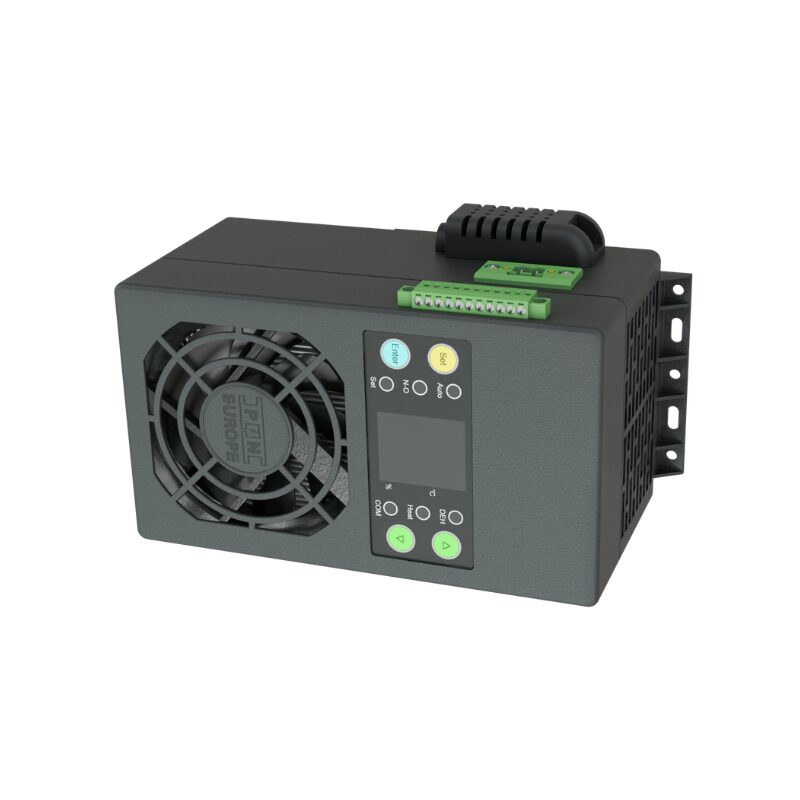
Peltier modules and thermal solutions from our partner P&N Europe offer precise, compact, and reliable cooling and temperature control technology based on thermoelectric principles. The portfolio includes micro-coolers for highly integrated applications, thermoelectric modules in a wide variety of designs, and complete assemblies for air, water, and direct cooling. The range is complemented by intelligent dehumidification solutions and custom systems. Key highlights include the high temperature difference, the compact design, and flexible integration into a wide variety of industrial applications.
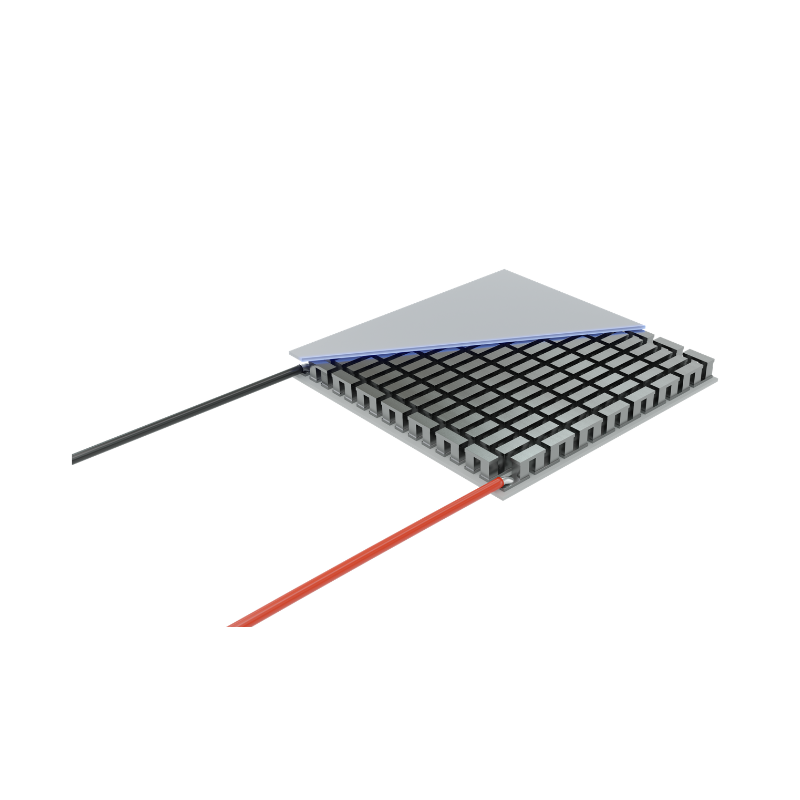
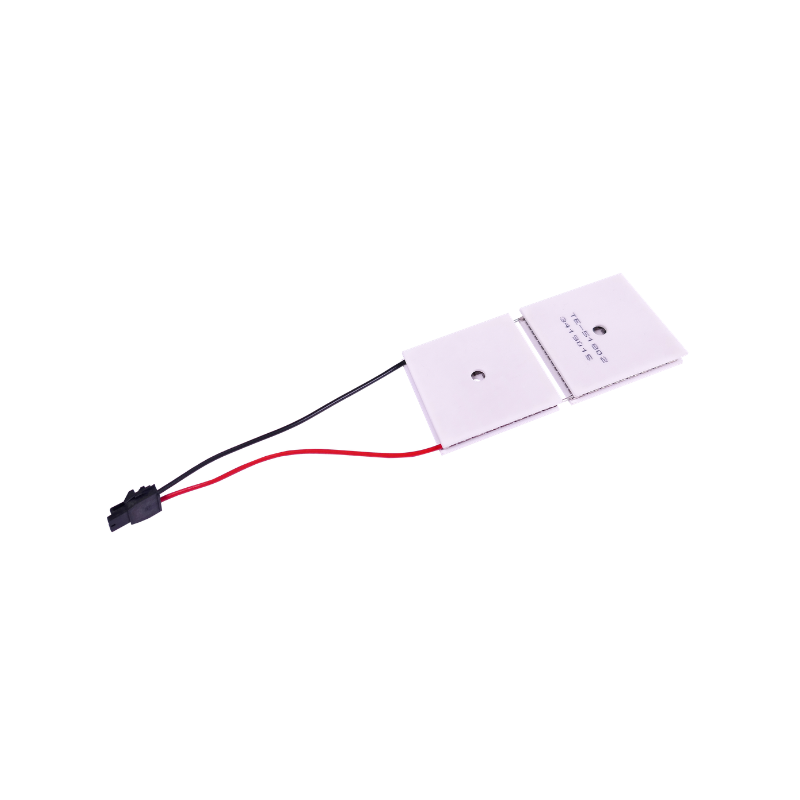
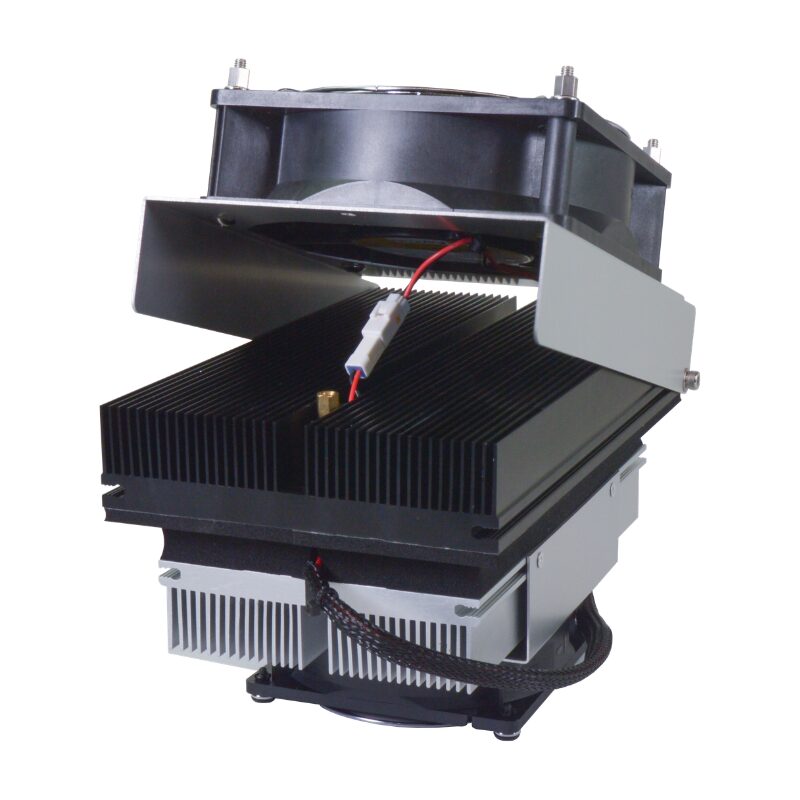
Peltier elements, also known as thermoelectric modules, enable targeted cooling or heating using an electric current—without any moving parts or refrigerants. They play a central role in numerous industries, ranging from medical technology and optoelectronics to automation technology.
Their key advantages lie in their ability to provide precise temperature control in very small spaces, as well as their high reliability. Thanks to their compact design and the ability to control them with precision, Peltier modules are the ideal solution for demanding applications where conventional cooling systems reach their limits.
Peltier elements enable precise control of temperature ranges, which is particularly crucial in sensitive applications such as sensor technology or laser technology. Direct electrical control allows for fast response times. This ensures stable operating conditions and significantly improves the performance of your systems. Engineers benefit from reproducible results and high process reliability.
The compact size of the modules allows them to be used even in highly miniaturized devices (CCD chips). Even complex systems can be efficiently implemented through customized integration. This reduces the space required and opens up new design possibilities. This is a decisive advantage, particularly in mobile or space-constrained applications.
In avionics systems, infrared sensors, and electro-optical assemblies, Peltier elements are specifically used to stabilize defined operating temperatures. Typical applications include the cooling of infrared detectors, laser diodes, or high-resolution camera systems, where even slight temperature fluctuations can lead to signal drift or measurement errors. Thermoelectric modules enable direct, locally controlled temperature regulation without complex fluid circuits. Furthermore, they are insensitive to changes in orientation and operate reliably even under vacuum conditions or under heavy mechanical stress. This makes them particularly suitable for satellite applications, UAV systems, and mobile military platforms.
Analytical instruments such as PCR systems, spectrometers, and point-of-care diagnostic devices require highly dynamic and reproducible temperature control. Peltier elements enable defined temperature cycles with short ramp-up and cool-down times, for example for DNA amplification processes. Direct integration at the measurement point minimizes thermal losses and prevents temperature gradients. They also support compact device architectures without complex refrigerant circuits. This is particularly advantageous for portable or decentralized diagnostic systems.
In laser diodes, photodetectors, and CCD/CMOS sensors, the operating temperature directly affects wavelength, noise performance, and signal stability. Thermoelectric modules are positioned directly beneath or near the active component to specifically compensate for thermal drift. This enables the achievement of tight tolerances in the nanometer range for wavelength stability. At the same time, thermal noise is reduced, which is particularly crucial in highly sensitive measurement and communication applications. The absence of moving components prevents additional vibrations in the system.
Power electronics, controllers, and embedded systems generate high local power losses that must be effectively dissipated. Peltier-based cooling solutions enable localized temperature reduction of critical components, such as at hotspots on printed circuit boards or in densely packed assemblies. In combination with dehumidification systems, the formation of condensation inside control cabinets can also be prevented. This is particularly relevant in changing environmental conditions or for outdoor use. The systems can be integrated modularly into existing enclosure designs.
In driver assistance systems, LiDAR sensors, and battery management systems, stable temperature control is essential for functional safety. Peltier elements, for example, are used to precisely regulate the temperature of sensor housings or electronic control components. This helps reduce temperature-related signal deviations and calibration drift. They also enable compact cooling solutions for confined installation spaces, which are common in modern vehicle architectures. The robust design supports operation under vibration, temperature fluctuations, and varying load profiles.
The selection of a suitable Peltier element depends largely on the thermal requirements, the environmental conditions, and the electrical control system. To ensure a reliable and efficient solution, the entire system—not just the individual module—should be taken into account.
The sizing of a Peltier element is based on the required cooling capacity (Qc), the maximum temperature difference (ΔT), and the heat dissipation required by the entire system. The decisive factor here is not only the component itself, but the entire thermal chain, including the heat sink and thermal resistances. Insufficient heat dissipation on the hot side directly leads to efficiency losses and reduces the achievable temperature difference. For a stable design, real operating conditions such as load cycles and ambient temperatures should be taken into account.
Please note:The thermal design has a significant impact on actual performance during operation.
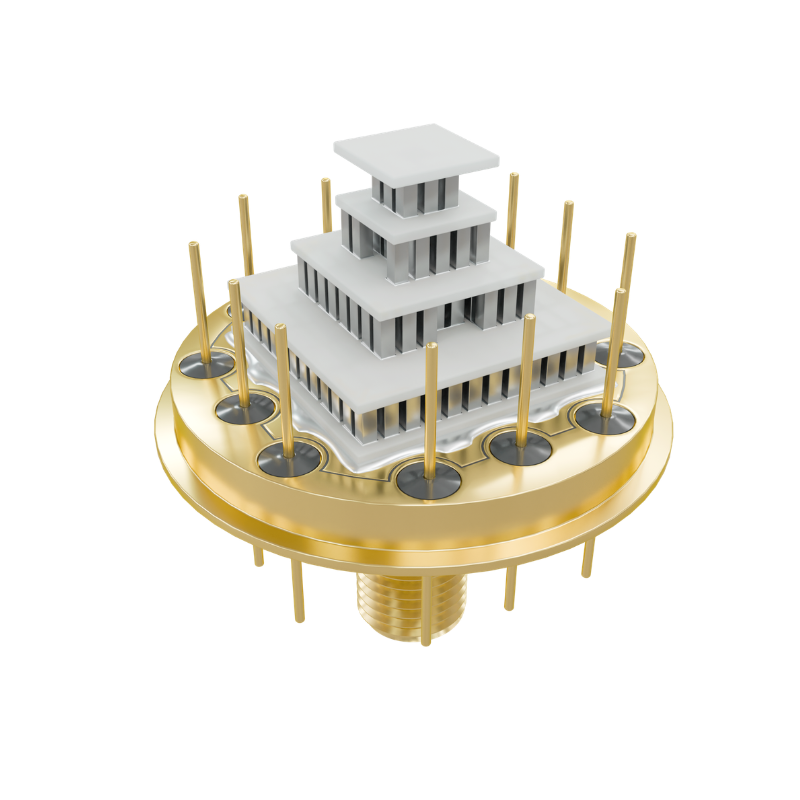
The choice of module size affects both thermal performance and the module’s ability to integrate into the overall system. In addition to standard designs, application-specific adaptations —such as custom connections, ceramic substrates, or multi-stage modules—play an important role. Especially when miniaturization is required, mechanical tolerances, contact forces, and heat transfer must be precisely optimized.
Important: Coordinating with the mechanical design early on prevents performance issues later on.
Operating conditions such as temperature fluctuations, humidity, vibration, or shock loads have a significant impact on service life and operational stability. For demanding applications, specially designed modules with reinforced solder joints or extended temperature ranges are available. Factors such as the risk of condensation or thermal cycling resistance must also be evaluated.
Note: Selecting the right product for your specific application increases operational reliability and minimizes the risk of failure.
The efficiency and control accuracy of a Peltier system depend heavily on the control method used. Constant-current sources enable stable operation, while PWM control offers additional flexibility but can cause thermal ripple effects. For precision applications, closed-loop control with temperature sensors is required.
Important: The coordination between electronics, sensors, and thermal design is crucial for consistent performance.
We provide Peltier modules for industrial applications with a focus on reliable performance within the overall system. Our focus is not on the individual module, but rather on determining which solution can be technically implemented in a practical manner given the specific conditions. Our goal is to provide an application-specific and robust solution that delivers the required performance in real-world operation—not just on the data sheet. As a provider of technical solutions, we assist in selecting suitable Peltier elements from our portfolio—tailored to:
Every application has its own specific requirements in terms of cooling capacity, integration, and control. We help you precisely design your Peltier solution—from selecting the right modules to optimizing the entire thermal system. We also provide expert technical support for small-volume production runs and prototypes. We assist with selecting the appropriate modules and with the thermal and electrical design of the entire system.
Our product range includes a wide variety of thermoelectric modules—from miniature coolers to multi-stage high-performance modules and complete assemblies. We also offer custom modifications. This makes it easier to meet complex requirements and reduces the development effort on the customer’s part. Examples include:
With a wide range of successfully completed projects across various industries, we have extensive experience in addressing a diverse array of thermal challenges. This expertise is directly incorporated into our consulting services and the design of new applications. This allows us to identify and avoid common pitfalls early on and shorten development times . The result is technically robust solutions that can be implemented with a high degree of reliability.
Are you planning to use Peltier modules, or do you need a precisely tailored solution for your thermal application? We can assist you with selection, design, and integration—from the initial concept phase through to mass production.
In addition to thermoelectric cooling solutions, we also offer flexible heaters applications that require targeted heating or temperature stabilization. These can be easily integrated into existing systems and are particularly well-suited for large surfaces or complex geometries. For more information, please visit our page on flexible heaters.
To ensure optimal system design, we also provide compatible accessories such as thermostats, thermistors, sensors, and controllers. These enable precise control and monitoring of both cooling and heating processes.
Contact us for a technical consultation—together, we’ll develop a solution tailored precisely to your needs.
We are your competent partner in the B2B sector for all aspects of thermal solutions.
You will only find high-quality products with us.
We look forward to your inquiry.